
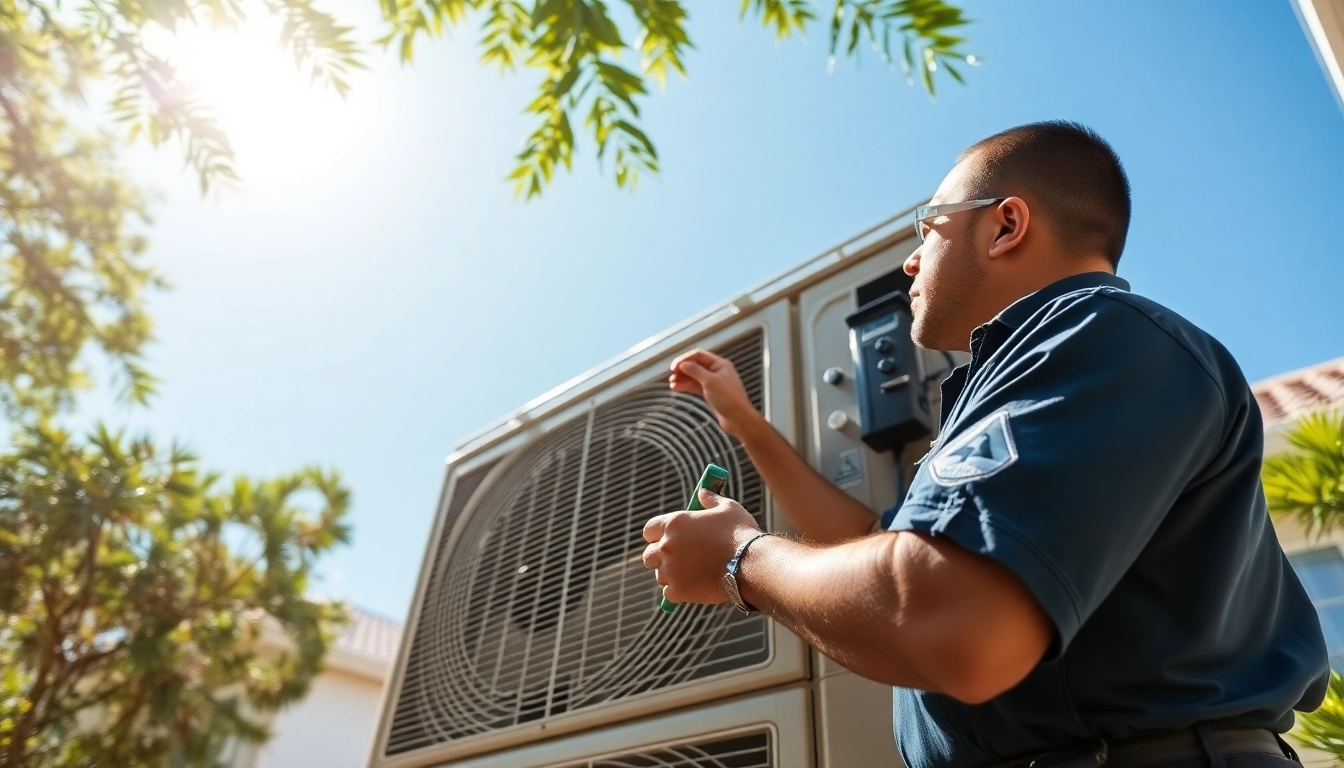
Understanding Air Conditioning Systems
Types of Air Conditioning Systems
When it comes to air conditioning systems, there are various types tailored to meet specific environment needs and budgets. The three most common types include:
- Central Air Conditioning: This system uses a network of ducts to distribute cool air throughout the home, making it ideal for larger spaces.
- Window Air Conditioning Units: Generally employed in single rooms, these units are easy to install and offer a cost-effective cooling solution.
- Split Air Conditioning Systems: Comprising an indoor and outdoor unit, these systems are versatile and can efficiently cool individual rooms without extensive ductwork.
Components of Air Conditioning Units
Understanding the components of air conditioning units is crucial for effective repairs and maintenance. Key elements include:
- Compressor: Often referred to as the “heart” of the AC unit, the compressor pumps refrigerant through the system.
- Condenser Coil: This outdoor component dispels heat from the refrigerant, allowing it to cool and condense.
- Evaporator Coil: Located indoors, the evaporator coil absorbs heat from the home, cooling the air that circulates through the space.
- Expansion Valve: This component regulates the flow of refrigerant into the evaporator coil.
- Air Handler: It contains the blower motor that circulates indoor air through the system.
How Air Conditioning Works
The air conditioning process involves a refrigeration cycle that cools indoor air and removes humidity. This cycle consists of four stages:
- Compression: The compressor compresses the refrigerant, raising its pressure and temperature.
- Condensation: The heated refrigerant moves to the condenser coil, where it releases heat to the outside air and condenses into a liquid.
- Expansion: The liquid refrigerant travels through the expansion valve, where it experiences a drop in pressure, causing it to cool significantly.
- Evaporation: Finally, the refrigerant evaporates in the evaporator coil, absorbing heat from indoors and cooling the air that circulates back into the home.
Signs You Need Air Conditioning Repair Tampa
Unusual Noises from Your Air Conditioner
If your air conditioning unit is making unusual sounds—such as banging, clattering, or hissing—these can be indicators of underlying issues. Strange noises may stem from loose parts, a failing compressor, or refrigerant leaks. Addressing these problems early can prevent further damage and costly repairs.
Inconsistent Temperature Control
Experiencing uneven cooling in different parts of your home? This issue could point to malfunctioning components in your system or ductwork that needs maintenance. Inconsistent temperature control not only affects comfort but can also indicate more significant issues that require professional assessment.
High Energy Bills
If your energy bills have inexplicably spiked, your air conditioning unit may not be operating efficiently. Common causes include dirty air filters, refrigerant shortages, or aging equipment. Regular maintenance or prompt Air Conditioning Repair Tampa can mitigate these costs.
The Importance of Regular Maintenance
Enhancing System Efficiency
Routine maintenance boosts the efficiency of your air conditioning unit. Regular check-ups ensure that all components are functioning optimally, ultimately leading to lower energy costs and improved comfort levels. During maintenance, technicians can clean coils, replace filters, and identify potential issues before they escalate.
Extending Equipment Life
Just like any mechanical system, an air conditioning unit thrives on proper care. Regular servicing can significantly extend the operational lifespan of your system, delaying the need for costly replacements. An air conditioning unit that receives the appropriate attention can last for a decade or more.
Preventing Major Malfunctions
Many significant issues can be avoided with scheduled maintenance. Technicians can identify worn-out components, leaks, or buildup of dirt and debris, helping you secure your system’s efficiency and life expectancy. This preventive approach is often much more affordable than emergency repairs.
Choosing the Right Air Conditioning Repair Service
What to Look for in a Technician
When selecting an air conditioning repair service, technicians should possess the necessary qualifications, including certification, adequate experience, and a sound understanding of various air conditioning systems. An insured and bonded service provider offers an extra layer of protection in the event of damages or accidents during repairs.
Questions to Ask Before Hiring
It’s prudent to ask a few key questions before committing to a service. Consider inquiring about their experience with your specific type of unit, warranty on repairs, and their approach to preventive maintenance. These insights will help ensure you choose a reliable and competent technician.
Comparing Service Costs
While price shouldn’t be the sole factor in choosing a repair service, it is important to compare quotes from several providers. Be wary of extremely low estimates, which may indicate subpar work. Pay attention to what is included in the quotes to make a fair comparison.
FAQs About Air Conditioning Repair Tampa
What are common issues with air conditioners?
Common issues include refrigerant leaks, dirty coils or filters, faulty thermostats, and unusual noises, all of which can hinder performance and efficiency.
How often should I service my air conditioning?
Experts recommend servicing your air conditioning unit at least once a year to maintain optimal performance and address potential issues early.
Can I repair my air conditioning unit myself?
While minor tasks like changing filters can be done by homeowners, major repairs should be left to professionals to avoid further damage and safety risks.
What should I expect during a repair service?
During a repair service, a technician will inspect the unit, diagnose any issues, provide a detailed explanation of required repairs, and likely perform maintenance tasks if needed.
How can I improve my air conditioning’s efficiency?
To enhance efficiency, keep the unit well-maintained by changing filters regularly, cleaning coils, and ensuring that vents are not obstructed.