
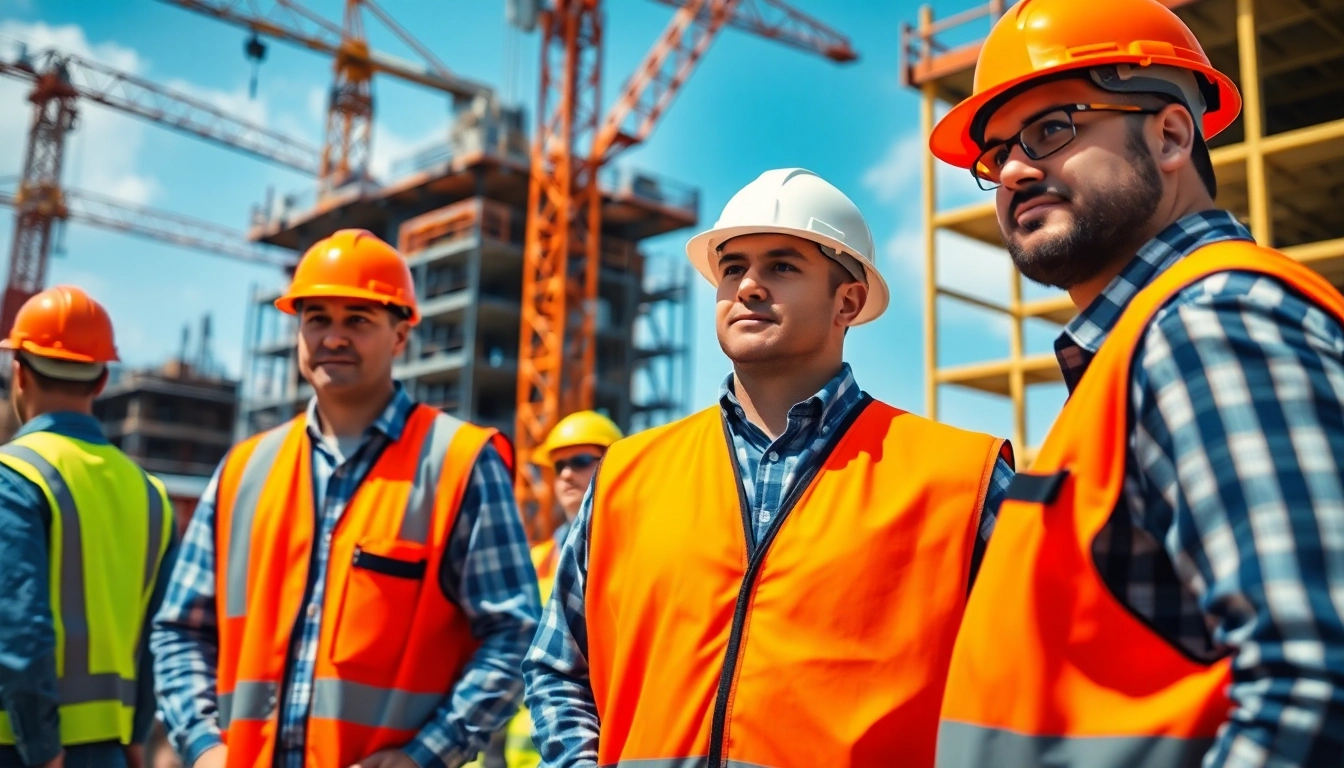
Understanding the Importance of Construction Site Safety
Construction sites are inherently risky environments, where workers are exposed to a variety of hazards daily. Ensuring construction site safety is paramount, not only for the well-being of the labor force but also for the overall success of construction projects. A commitment to safety fosters a culture of responsibility and vigilance, leading to fewer accidents, greater job satisfaction, and enhanced productivity. This article will delve into crucial aspects of construction site safety, providing insights on potential hazards, best practices, and the latest technological advancements aimed at minimizing risks.
Defining Construction Site Safety
Construction site safety encompasses the practices, regulations, and procedures aimed at preventing accidents and injuries on construction sites. It involves identifying hazards, assessing risks, implementing corrective measures, and continuously monitoring conditions. A clear understanding of safety protocols is vital, as it helps establish a framework that governs all tasks conducted on site.
Key Statistics on Construction Accidents
Research indicates that construction remains one of the most dangerous professions. According to various reports, construction sites account for a significant portion of workplace fatalities. Key statistics reveal that falls, being struck by objects, electrocutions, and getting caught in or between equipment are the leading causes of death in the industry. Awareness of these statistics is crucial for stakeholders to understand the gravity of prioritizing safety measures.
Legal Implications of Safety Violations
Failure to comply with safety regulations can have serious legal ramifications for construction companies. These can range from hefty fines to criminal charges and civil lawsuits. Regulatory bodies, including OSHA, enforce strict guidelines that construction firms must adhere to. Understanding these legal implications not only emphasizes the need for compliance in the workplace but also highlights the potential impact on a company’s reputation and financial stability.
Common Hazards on Construction Sites
Identifying Physical Hazards
Physical hazards are one of the most prevalent dangers on construction sites. These can include machinery and tool accidents, falls from heights, and those posed by scaffolding and ladders. Identifying and mitigating these hazards is essential for safeguarding both workers and the public. Regular safety briefings, equipment maintenance, and supervision can significantly reduce the chances of accidents.
Assessing Environmental Risks
Environmental risks may arise from the construction site’s location and surrounding conditions. These can include weather-related hazards such as extreme temperatures, storms, and lightning. Additionally, surrounding features like traffic, public footpaths, or nearby structures may pose risks. Conducting comprehensive site assessments to identify such environmental hazards allows for better preparation and risk management.
Human Factor Risks and Safety Culture
Human error is a significant contributor to accidents in construction. Poor communication, lack of training, and complacency are common issues that can lead to dangerous situations. Building a strong safety culture is essential, where all employees are encouraged to engage in proactive safety behaviors. Regular training sessions, team meetings, and open lines of communication help foster this culture.
Best Practices for Enhancing Construction Site Safety
Implementing Safety Training Programs
Effective safety training programs are foundational to ensuring safety on construction sites. Regular training sessions ensure that all workers understand safety protocols, hazard recognition, and proper use of equipment. Interactive training methods, including simulations, can enhance learning retention and engagement, making training programs more effective.
Utilizing Safety Equipment Effectively
The right safety equipment can reduce the risk of accidents significantly. Personal protective equipment (PPE) such as hard hats, gloves, goggles, and safety harnesses must be provided and properly utilized by all workers. Furthermore, ensuring that equipment is regularly inspected and maintained helps safeguard against potential malfunctions that could lead to injuries.
Conducting Regular Safety Audits and Inspections
Regular safety audits are vital for identifying potential risks and determining whether existing safety measures are effective. Audits should include evaluations of workplace conditions, compliance with safety protocols, and assessments of employees’ adherence to safety procedures. These inspections can unveil gaps that need addressing and serve as an opportunity for continuous improvement.
Technologies Improving Construction Site Safety
Using Drones for Site Monitoring
Drones have revolutionized site management by providing aerial views that help in monitoring site conditions and processes from a safe distance. With real-time data, project managers can identify potential hazards such as crowded areas or the need for additional safety measures. These tools enhance situational awareness and facilitate quicker decision-making.
Role of Wearable Technology in Safety
Wearable technology, such as smart helmets and safety vests equipped with sensors, plays a crucial role in enhancing construction site safety. These devices can monitor health metrics, detect falls, and alert supervisors in emergencies. The integration of wearable technology provides a layer of proactive safety measures that can mitigate risks effectively.
Data Analytics for Risk Assessment
Data analytics can parse through large amounts of safety-related data to identify trends and predict potential hazards. By utilizing predictive analytics, companies can take preventive action to mitigate risks before an incident occurs. Analyzing historical data, current site conditions, and training outcomes can lead to informed strategic decisions that improve safety standards.
Measuring the Effectiveness of Safety Initiatives
Setting Performance Metrics for Safety
Establishing clear performance metrics for safety is crucial for monitoring the effectiveness of safety initiatives. Companies should track metrics such as incident rates, near-miss reports, and compliance levels with safety protocols. These indicators provide insight into the current state of safety and highlight areas in need of improvement.
Evaluating Safety Training Outcomes
Post-training evaluations are essential to gauge the effectiveness of safety training sessions. Utilizing quizzes, practical assessments, and feedback surveys can help determine whether workers are absorbing the safety information provided. Continuous feedback allows for refining training programs to better meet the needs of employees.
Feedback Mechanisms for Continuous Improvement
Implementing robust feedback mechanisms can significantly enhance the safety culture within a construction company. Encouraging open communication about safety concerns allows workers to express their thoughts and experiences, fostering a collaborative environment. Regularly reviewing this feedback can lead to actionable insights that further elevate safety standards.
FAQs
What are common safety hazards on construction sites?
Common hazards include falls, electrical shocks, machinery accidents, and hazardous material exposure, all requiring strict control measures.
How is construction site safety enforced?
Safety is enforced through regular inspections, compliance training, accountability measures, and adherence to regulations set by authorities.
What role does training play in construction site safety?
Training equips workers with the essential knowledge needed to identify hazards, adopt safe practices, and respond effectively to emergencies.
How can technology improve construction site safety?
Technology enhances safety through tools like drones for monitoring, wearables for health tracking, and analytics for assessing potential risks.
What should be included in a safety auditing process?
A safety audit should encompass equipment inspections, worker compliance checks, reviewing safety documentation, and conducting hazard assessments.