
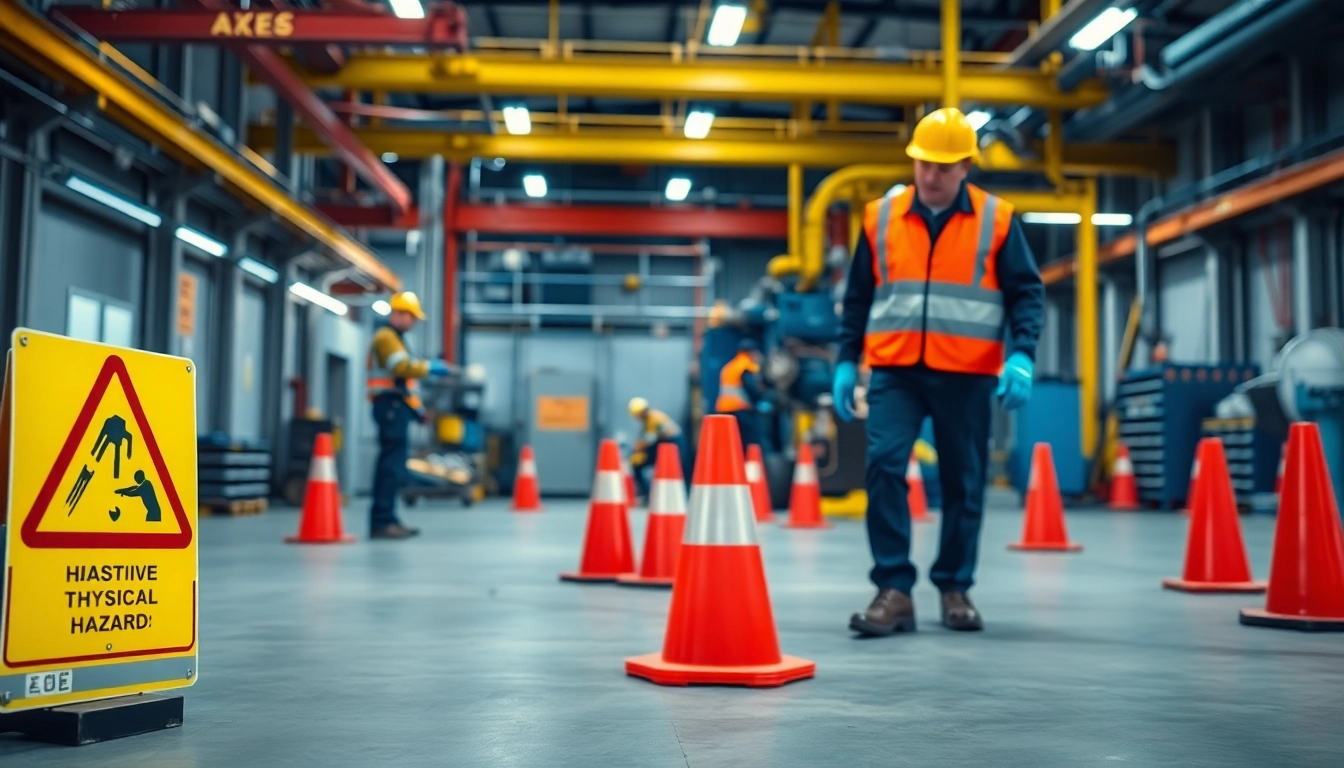
Introduction to Physical Hazards
In any workplace environment, the safety and well-being of employees are paramount. Understanding and managing risks associated with physical hazard is a critical aspect of occupational safety. These hazards can manifest in various forms, from slips and falls to exposure to extreme temperatures, making it essential to identify, assess, and mitigate these risks effectively. This article delves into the definition of physical hazards, their common types, and the repercussions of neglecting their management.
Defining Physical Hazard
A physical hazard is any factor within the environment that could potentially cause harm to individuals, property, or both. These hazards are often tangible and observable, which distinguishes them from other types of hazards, such as chemical, biological, or ergonomic risks. The consequences of exposure to physical hazards can lead to injuries, incidents, or chronic health issues, emphasizing the importance of a proactive approach to safety management.
Common Types of Physical Hazards
Physical hazards are diverse, ranging from environmental factors to mechanical risks. Key categories include:
- Slips, Trips, and Falls: Often caused by wet surfaces, uneven flooring, or obstructions, these incidents can lead to serious injuries.
- Noise: Excessive noise levels can result in hearing loss and other health issues if not adequately managed.
- Temperature Extremes: Exposure to excessive heat or cold can cause heat stress or hypothermia, respectively.
- Working at Heights: Activities that involve elevated work areas pose a significant risk of falls.
- Machinery and Equipment: Improper use or lack of safeguards can result in accidents associated with mechanical devices.
Consequences of Ignoring Physical Hazards
Failure to address physical hazards can lead to severe repercussions, including:
- Injury and Illness: Ignoring hazards increases the likelihood of workplace injuries and health issues.
- Legal Accountability: Non-compliance with safety regulations can lead to lawsuits and financial penalties.
- Employee Morale: A workplace perceived as unsafe can diminish employee morale and increase turnover rates.
- Productivity Loss: Injuries disrupt workflows, resulting in downtime and decreased productivity.
Identifying Physical Hazards in the Workplace
To manage physical hazards effectively, organizations must first identify them through systematic assessments. This section examines three critical methods for identifying hazards.
Conducting Workplace Assessments
Regular workplace assessments are fundamental for spotting physical hazards. This can include audits and walk-throughs of the premises to observe conditions firsthand. Assessment efforts should consider various factors such as:
- Layout and design of workspaces
- Safety measures in place
- Employee feedback and reports of near misses
- Compliance with legal safety standards
Utilizing Safety Checklists
Safety checklists are valuable tools that help ensure no aspect of workplace safety is overlooked. These checklists can cover multiple areas, including:
- Emergency exits and routes
- Use of proper Personal Protective Equipment (PPE)
- Machinery safety features
- Hazardous material storage and labeling
Creating a Hazard Reporting System
A robust hazard reporting system encourages employees to report potential physical hazards without fear of retaliation. This system should involve:
- Clear procedures for reporting
- Anonymous reporting options
- Regular review of reported hazards and quick response protocols
Health Risks Associated with Physical Hazards
Exposure to physical hazards poses various health risks, which can manifest as short-term injuries or long-term chronic conditions. Recognizing these risks is crucial for prevention and management.
Short-term and Long-term Effects
The short-term effects of physical hazards may include immediate injuries such as bruises, fractures, or cuts. Long-term exposure could lead to chronic health problems, including:
- Repetitive strain injuries from improper ergonomics
- Respiratory issues from dust or airborne hazards
- Hearing loss from persistent exposure to loud noise
- Psychological stress from unsafe working conditions
Identifying Vulnerable Populations
Certain groups of employees may be more vulnerable to physical hazards, including:
- New employees who may lack training
- Workers in physically demanding roles
- Older employees who may have reduced mobility or strength
- Employees with disabilities who may face unique challenges
Case Studies of Physical Hazard Incidents
Learning from past incidents is an effective way to enhance safety measures. For example:
A manufacturing plant experienced frequent injuries due to machinery malfunctions. Investigations revealed a lack of proper training and safety protocols. As a result, the plant initiated comprehensive training programs and revamped its safety guidelines, leading to a significant reduction in incidents.
Implementing Safety Measures Against Physical Hazards
Proactive measures are essential to minimize physical hazards in the workplace. This section outlines key strategies organizations can employ.
Personal Protective Equipment (PPE)
The use of appropriate PPE is one of the most effective ways to protect employees from physical hazards. Essential PPE components include:
- Helmets to protect against head injuries
- Gloves to shield hands from cuts or chemicals
- Goggles or face shields for eye protection
- Ear protection for noise reduction
Safety Training and Education
Educating employees on the risks associated with physical hazards and training them on safe work practices are crucial. Effective training programs should include:
- Safety protocol education and reference materials
- Regular training sessions and workshops
- Simulated emergency drills to prepare for real-life scenarios
- Continuous updates on new practices and regulations
Establishing Safety Protocols
Creating clear safety protocols helps ensure that everyone understands the expected behaviors and procedures. Key elements should include:
- Clear communication of safety rules
- Effective emergency response plans
- Regular updates and reviews of protocols
- Involvement of employees in developing protocols for buy-in
Monitoring and Reviewing Physical Hazard Management
Ongoing monitoring is vital for the continuous improvement of safety standards. Regular reviews and updates help organizations stay vigilant regarding physical hazards.
Regular Safety Audits
Conducting safety audits is a proactive strategy to identify ongoing or new workplace hazards. Audits should be regular and systematic and include:
- Annual inspections by trained safety personnel
- Regular employee feedback sessions
- Documentation of audit findings and corrective actions taken
Updating Safety Policies
Safety policies should not be static; they require continuous updates based on the latest regulations, technology, and feedback. Organizations should:
- Review policies at regular intervals
- Adjust safety measures based on audits and new regulations
- Communicate changes to all employees effectively
Involving Employees in Safety Management
Engaging employees in safety management creates a culture of safety awareness. Strategies include:
- Encouraging input on safety practices
- Creating safety committees comprising employee representatives
- Recognizing and rewarding safe practices and reporting
FAQs
What are physical hazards?
Physical hazards are environmental factors that cause harm or injury. They include slips, trips, falls, extreme temperatures, and operating machinery without safeguards.
How can I identify physical hazards in my workplace?
Identify hazards through workplace assessments, safety checklists, and employee reporting systems, ensuring regular evaluations for new risks.
What are the health risks of physical hazards?
Health risks include injuries like cuts and fractures, chronic conditions from long-term exposure, and increased stress levels due to unsafe conditions.
How important is safety training for employees?
Safety training is crucial as it equips employees with knowledge about hazards and proper methodologies to minimize risks, enhancing overall workplace safety.
What role do employees play in safety management?
Employees play a vital role by participating in safety initiatives, providing feedback, adhering to protocols, and reporting potential hazards, fostering a safety culture.