
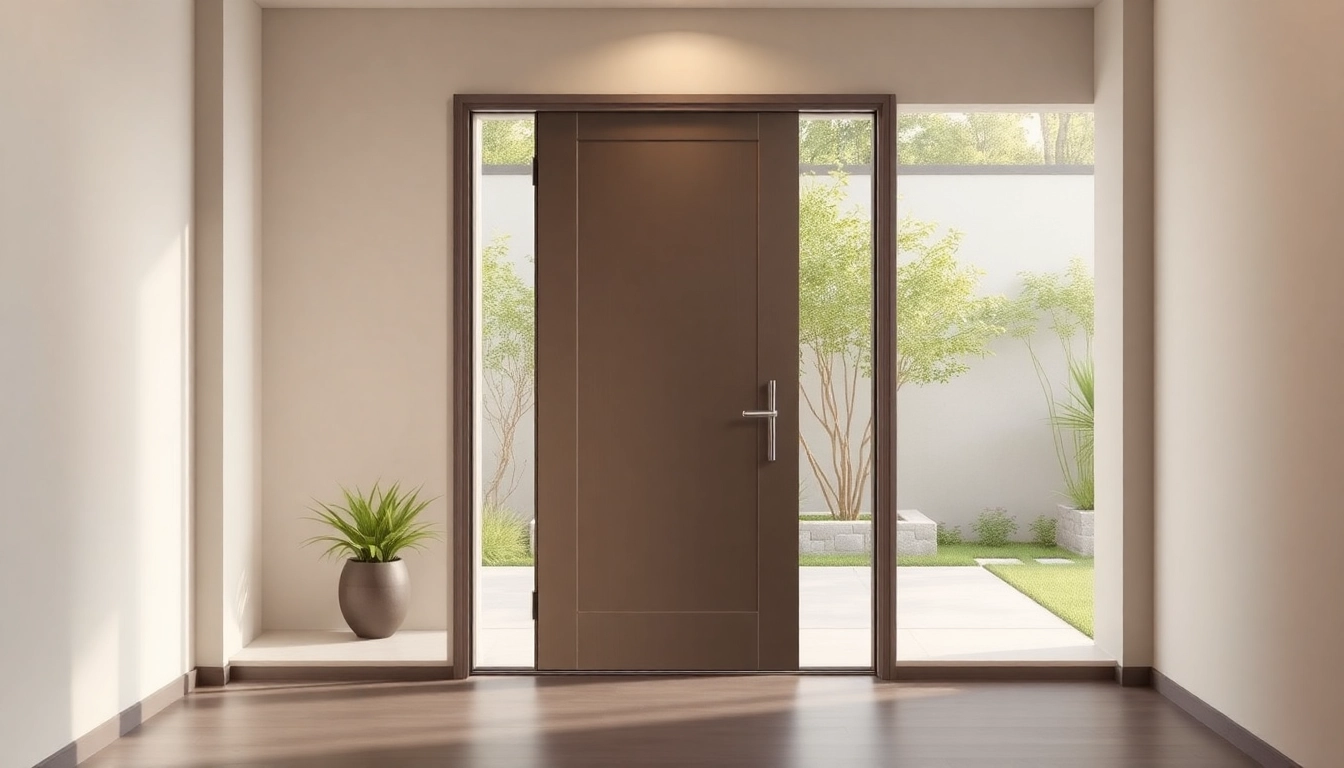
Understanding Single Leaf Swing Door Basics
What is a Single Leaf Swing Door?
A single leaf swing door is a type of door that operates on a common hinge, allowing it to swing open or closed. Unlike double doors that consist of two leaves, a single leaf swing door features one panel, making it simpler and often more cost-effective. These doors can be designed to fit any style of architecture, whether traditional or contemporary, and are commonly utilized in both residential and commercial applications. The operation of this door is straightforward: a push or pull motion allows it to move inward or outward, making them user-friendly.
Advantages of Single Leaf Swing Doors
Single leaf swing doors offer numerous benefits that make them a popular choice among builders and homeowners alike:
- Simplicity: The straightforward design requires less hardware, reducing maintenance costs.
- Space Efficiency: Ideal for narrow openings where double doors may not fit.
- Versatility: Suitable for various environments, including homes, offices, and retail spaces.
- Cost-Effectiveness: Generally more affordable than double door systems.
- Security: Can be fitted with advanced lock systems for enhanced security.
Popular Materials Used
The choice of material for a single leaf swing door can significantly impact its durability, aesthetics, and functionality. Here are some popular materials used:
- Wood: Offers versatility in design, warmth, and insulation. Ideal for residential applications.
- Steel: Provides superior strength and security, often used in commercial buildings.
- Aluminum: Lightweight yet durable, generally favored for modern designs.
- Fiberglass: Resistant to warping and weather, making it an excellent choice for external doors.
Design Considerations for Single Leaf Swing Doors
Matching Architectural Style
When selecting a single leaf swing door, it’s essential to consider its compatibility with the existing architectural style of your home or building. A modern glass door works well in contemporary settings, while a solid wood door with carvings may suit more traditional homes. Pay attention to the overall design language and make sure the door accentuates it, enhancing both curb appeal and functionality.
Color and Finish Options
The color and finish of your single leaf swing door can dramatically affect the aesthetic of your space. Common choices include:
- Natural Wood Finish: For a classic look that showcases the grain.
- Painted Finishes: Available in multiple colors, allowing for personalization to match interior décor.
- Metallic Coatings: For a modern and industrial vibe.
- Staining Options: Provides a rich look while ensuring protection from the elements.
Sizing and Swing Direction
Sizing is crucial when installing a single leaf swing door. Standard sizes typically range from 24 to 36 inches in width, but custom sizes are available. Additionally, consider the door’s swing direction—whether it opens inward or outward. This choice can affect room layout and accessibility, especially in tight spaces. Always measure twice to ensure proper fit and function.
Installation Process for Single Leaf Swing Doors
Tools and Materials Required
To install a single leaf swing door effectively, you’ll need the following tools and materials:
- Measuring tape
- Level
- Drill
- Screwdriver
- Hinges
- Door handle and lock set
- Shims
- Wood screws
Step-by-Step Installation Guide
- Prepare the Frame: Ensure the door frame is clean, dry, and free from any debris.
- Measure and Cut: Measure the door and frame to confirm the right dimensions, cutting shims as needed.
- Install Hinges: Attach the hinges to the door, ensuring they are level and secure.
- Position the Door: Place the door into the frame and use shims to maintain its position while checking for level.
- Screw Hinges to Frame: Once everything is aligned, screw the hinges into the frame securely.
- Fit the Handle and Lock: Follow the manufacturer’s instructions for installing the door handle and lock set.
- Test the Door: Open and close the door to ensure it operates smoothly.
Common Mistakes to Avoid
Several pitfalls can arise during installation that may affect door performance:
- Neglecting Leveling: Always ensure the door is level before securing the hinges.
- Inaccurate Measurements: Double-check all measurements to avoid gaps that can lead to drafts or security issues.
- Choosing Wrong Hinges: Ensure you select hinges that can support the door’s weight effectively.
Maintaining Your Single Leaf Swing Door
Routine Cleaning Tips
To extend the lifespan of your single leaf swing door, routine cleaning is essential:
- Use mild soap and water for wooden doors.
- For metal doors, apply a non-abrasive cleaner to avoid scratches.
- Always dry the door thoroughly to prevent rust and decay.
Regular Inspections and Repairs
Frequent inspections can help mitigate larger issues down the line. Check for:
- Worn hinges and hardware that may need lubrication or replacement.
- Any signs of water damage, especially on wooden doors.
- Alignment of the door within the frame—adjust as necessary.
Enhancing Security Features
To bolster security, consider implementing additional features such as:
- Deadbolt locks for added strength.
- Reinforced hinges that resist tampering.
- Smart locks that allow keypad entry and monitoring.
FAQs About Single Leaf Swing Doors
What is the lifespan of a single leaf swing door?
The lifespan varies based on material and usage, but typically ranges from 15 to 50 years with proper care and maintenance.
Are single leaf swing doors energy efficient?
Yes, especially when made of insulated materials and properly sealed, they can contribute to energy efficiency by preventing drafts.
How do I choose the best material?
Consider factors like desired aesthetics, durability, climate, and desired performance attributes to choose the best material for your needs.
What are common sizes for single leaf swing doors?
Common sizes range between 24 to 36 inches in width and 80 inches in height, but custom sizes can be manufactured to fit specific needs.
Can I install a single leaf swing door myself?
Yes, with basic tools and skills, the installation is manageable for a DIY enthusiast, but professional help is advisable for complex framing needs.