
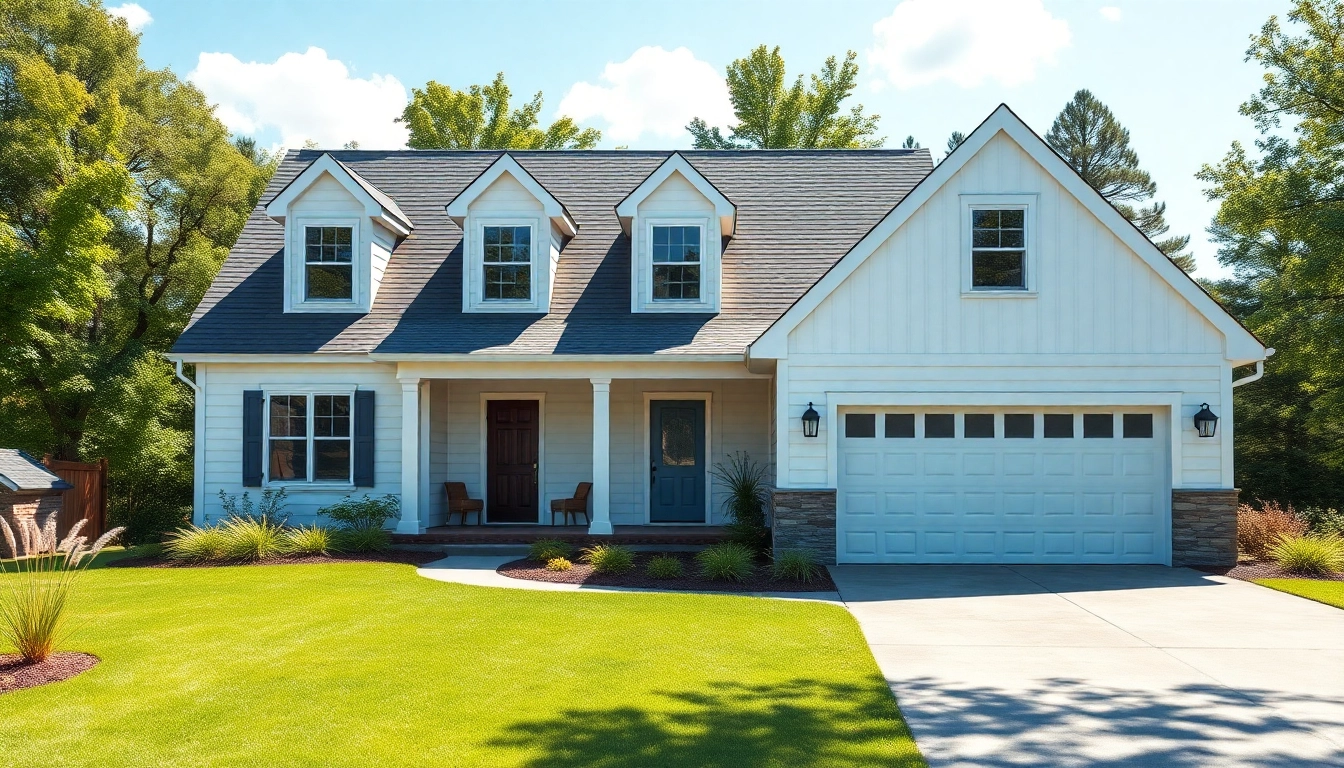
Understanding Cape Cod Homes
History and Architectural Style
The roots of cape cod homes can be traced back to early New England settlements in the 17th century. This architectural style was a practical response to the region’s harsh winters and a reflection of the colonial lifestyle. Characterized by their simple, symmetrical shapes and steep roofs, these homes were designed to shed snow efficiently. The homes often feature dormer windows, which not only add charm but also increase light and improve attic space. Over time, this style has evolved while maintaining its core characteristics, making it a beloved choice for many homeowners.
Key Features of Cape Cod Homes
Historically, Cape Cod homes are characterized by several defining features:
- Steeply pitched roofs, generally with gable ends, are designed to allow snow to slide off.
- Symmetrical facades provide a balanced and harmonious appearance.
- Dormers lend additional space and light to the upper levels.
- Wood siding, often painted in muted colors, reflects the natural surroundings.
- Simple, functional interiors emphasize practicality over extravagance.
These features combined not only offer aesthetic appeal but also ensure durability and functionality, particularly in coastal climates.
Practical Benefits
Cape Cod homes offer numerous practical advantages. Their compact design typically maximizes usable space, making them ideal for families. The steep roof design is not only aesthetically pleasing but also functional, as it effectively prevents water and snow accumulation. Additionally, the prevalent use of wood siding and shingles can be sourced sustainably, promoting environmental responsibility. These homes require minimal maintenance while providing excellent insulation, contributing to lower energy costs.
Designing Your Cape Cod Home
Choosing the Right Location
Location is paramount when designing a Cape Cod home. Coastal sites are popular, providing stunning views and easy access to outdoor activities like fishing and boating. However, future homeowners should consider the climatic conditions, local regulations, and accessibility to essential services. Proximity to schools, healthcare, and shopping can significantly enhance quality of life, making careful location selection an important step in the design process.
Maximizing Space and Functionality
Given their typically compact design, maximizing space and functionality in Cape Cod homes is essential. Open floor plans can create an airy, spacious feeling, while built-in furniture and multi-purpose rooms promote versatility. Creative storage solutions like under-stair cabinets and wall-mounted shelves can free up floor space. Additionally, the use of natural light through large windows not only makes areas feel larger but also minimizes reliance on artificial lighting.
Selecting Materials and Colors
Choosing the right materials and colors is crucial for both aesthetics and durability. Traditional Cape Cod homes often utilize wood, including cedar shingles for siding, which can naturally weather beautifully over time. For color palettes, muted tones like soft grays, blues, and greens help the home blend harmoniously with the natural environment. When selecting materials, prioritize sustainability and energy efficiency to enhance the home’s ecological footprint.
Common Renovation Options
Expanding Your Cape Cod Home
As families grow and needs change, homeowners often consider expanding their Cape Cod homes. Adding wings or extending upwards with second floors can provide additional living space without compromising the home’s character. Such renovations should respect the original architectural style, ensuring that new materials and designs harmonize seamlessly with the existing structure.
Incorporating Modern Amenities
Modernizing a Cape Cod home often involves integrating contemporary amenities while maintaining its classic appeal. Upgrading kitchens and bathrooms with energy-efficient appliances and fixtures enhances functionality. Open-plan living spaces encourage social interaction and seamlessly blend indoor and outdoor environments. Home automation systems for lighting, heating, and security also elevate the living experience while incorporating modern technology into the traditional framework.
Maintaining Authentic Aesthetic
Maintaining the authentic aesthetic of a Cape Cod home during renovations is vital for preserving its historical charm. Utilize traditional materials and craftsmanship when possible, and avoid overly modern designs that may clash with the home’s character. Landscaping should reflect the classic New England style, with native plants and soft colors that complement the home’s exterior.
Landscaping Ideas for Cape Cod Homes
Choosing Native Plants
When landscaping a Cape Cod home, selecting native plants is essential for promoting sustainability and ensuring a successful garden. Plants that are indigenous to the area are well-adapted to the local climate and soil conditions, requiring less water and maintenance. Consider using beach grasses, wildflowers, and coastal shrubs to create vibrant and eco-friendly outdoor spaces.
Creating Inviting Outdoor Spaces
Creating inviting outdoor spaces is another way to enhance the appeal of Cape Cod homes. Decks and patios can serve as extensions of the living space, designed for relaxation and entertainment. Adding outdoor furniture, fire pits, and barbecue areas can transform yards into welcoming environments for family gatherings and alfresco dining. Incorporating stone pathways and ornamental fences adds to the charm and functionality of these areas.
Seasonal Maintenance Tips
Maintaining a Cape Cod home’s landscape requires a seasonal approach. In spring, focus on soil health and planting, while summer is an excellent time for watering and enjoying the outdoors. Fall should involve preparing the garden for winter by mulching and trimming dead branches, while winter can be a time to evaluate landscape structures and take preventive measures against harsh weather conditions.
FAQs about Cape Cod Homes
What are the defining characteristics of Cape Cod homes?
Cape Cod homes feature steep roofs, symmetrical facades, and dormer windows, reflecting their colonial New England origins.
Are Cape Cod homes suitable for all climates?
While originally designed for cooler climates, modern insulation can adapt them for various environments, enhancing comfort in different conditions.
What materials are typically used in Cape Cod homes?
Common materials include wood siding, shingles, and stone, blending rustic charm with durability to withstand coastal elements.
How can I modernize a Cape Cod home?
Consider open floor plans, energy-efficient fixtures, and updated kitchens while preserving classic elements for a balanced aesthetic.
What landscaping complements Cape Cod homes best?
Native plants, picket fences, and classic stone pathways create a charming exterior that highlights the enduring features of the home.