
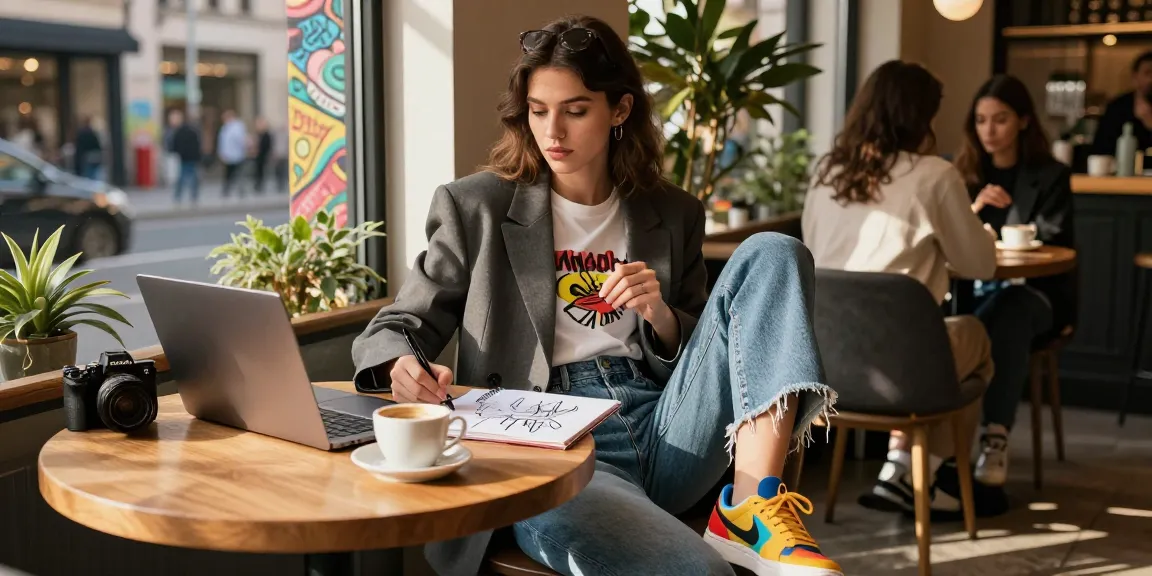
Understanding Fashion Trends in 2026
As we step into 2026, the fashion landscape is transforming at an unprecedented pace. With a blend of technology, sustainability, and ever-evolving consumer preferences, the way we understand, interpret, and consume fashion is changing drastically. This article delves into the emerging trends that define the future of fashion, offering insights into how these elements interact and shape modern style.
The Evolution of Fashion: What’s New?
Fashion is no longer just about clothing; it has become a multifaceted industry encompassing technology, culture, and identity. In 2026, we see a departure from traditional fashion norms towards a more inclusive and diversified approach. Major brands are beginning to embrace body positivity and gender-neutral designs, reflecting a broader spectrum of identities within their collections. With influencers and consumers alike pushing for representation, the runway is now more reflective of real life than ever before.
Key Influencers Shaping the Fashion Industry
Today, fashion influencers extend beyond models and designers to include social media personalities, activists, and even everyday consumers who share personal style insights. Platforms like TikTok and Instagram are no longer just for showcasing outfits; they are powerful tools that influence trends, elevate brands, and shape consumer behavior. Moreover, eco-conscious influencers are leading the charge towards sustainable fashion, advocating for brands that prioritize ethical practices and environmentally friendly materials.
Critical Fashion Elements to Consider
Color Palettes and Textures for 2026
The colors and textures that dominate fashion vary seasonally. However, in 2026, earth tones, pastels, and bold shades will create a tapestry reflecting both comfort and confidence. Textures such as organic cotton, linen, and innovative sustainable fabrics will dominate, making comfort and environmental impact central to consumer choices.
Innovative Fabrics and Sustainable Choices
Sustainability is no longer a niche concern; it is now a critical element at the forefront of fashion innovation. With advancements in technology, brands are now able to create innovative fabrics that are both stylish and sustainable. Materials derived from recycled plastics, mushrooms, and even lab-grown fibers are making waves in the industry, allowing consumers to express themselves fashionably while being conscious of environmental impact.
Accessories That Define Style
Accessories are integral to any outfit, and in 2026, they are becoming bolder and more personalized. From oversized sunglasses to statement jewelry and sustainable handbags, accessories serve as a key differentiator in individual style. The trend towards customization allows consumers to curate their wardrobe with pieces that resonate with their personal identity, ensuring that fashion remains a unique expression of self.
The Impact of Technology on Fashion
How Technology is Revolutionizing Fashion Design
Technology continues to revolutionize fashion design, enabling designers to create with unprecedented efficiency and creativity. Computer-aided design (CAD) and 3D printing are emerging as essential tools, allowing for rapid prototyping and customization. Moreover, augmented reality (AR) is helping designers visualize how their concepts will look in the real world, transforming the design process from traditional sketches to digital innovation.
The Role of E-Commerce in Fashion Retail
The rise of e-commerce has reshaped how consumers shop for fashion. In 2026, online shopping is not just about convenience; it’s about creating an immersive experience. Brands are investing in virtual stores and personalized shopping experiences powered by Artificial Intelligence (AI). Consumers can receive tailored recommendations and utilize virtual fitting rooms that enhance the online shopping experience while reducing returns.
Virtual Fitting Rooms and AI in Fashion
Virtual fitting rooms are becoming a game-changer in online retail, as they allow consumers to try on clothes virtually before making a purchase. AI technology helps create a more personalized shopping experience by analyzing customer preferences and offering tailored selections. This not only enhances customer satisfaction but also significantly reduces the likelihood of returns, benefiting brands and consumers alike.
Practical Tips for Implementing Fashion Trends
Building a Versatile Wardrobe for the Modern Era
In 2026, building a versatile wardrobe is essential for adapting to rapidly changing fashion trends. Start by investing in timeless staples that can be mixed and matched with trendier pieces. Key items like classic blazers, versatile dresses, and quality footwear should act as the foundation upon which seasonal trends can be layered.
Mixing and Matching Styles Effectively
The art of mixing styles is crucial in the current fashion landscape. To master this, consider incorporating contrasting textures and colors while maintaining a balance in proportions. For instance, pairing structured pieces with softer silhouettes can create an aesthetically pleasing and dynamic look. Accessories play a vital role in bridging the gap between different styles, allowing for creative expression.
Identifying Key Pieces to Invest In
Before splurging on that statement piece, it’s wise to assess its versatility and longevity. Look for items that can be used across various seasons and occasions. For example, a tailored trench coat can serve multiple functions from casual outings to more formal events. Additionally, consider investment in quality over quantity; high-quality pieces often have a longer lifespan and better appearances over time.
Future Trends in Fashion: What to Watch
Predictions for Fashion Sustainability
Sustainability is set to remain a key trend in fashion, with consumers increasingly demanding transparency from brands regarding their production practices. In 2026, we may see further advancements in circular fashion, where brands adopt practices that promote recycling and reusing materials, thus minimizing waste and environmental impact.
The Influence of Global Cultures on Fashion
Fashion is a global industry, with influences spanning cultures and geographies. As we move forward, the blending of cultural elements will continue to rise, with designers drawing inspiration from global traditions. This cross-cultural exchange enriches the fashion landscape, allowing for unique designs that celebrate diversity and heritage.
Emerging Designers and Brands to Follow
As fashion evolves, so does the landscape of emerging designers and brands. Keep an eye on innovative names that prioritize sustainable practices and unique artistry. These designers often provide fresh perspectives and challenge conventional norms, making them pivotal in shaping the future of fashion.
Why is Knowing Fashion Trends Important?
Staying updated with fashion trends is vital not just for personal style, but also for understanding shifts in consumer behavior and industry standards. Knowledge of current trends allows individuals to make informed decisions about their purchases and encourages designers to align their creations with market demands.
How to Stay Updated with Fashion News?
To remain current, explore various fashion resources such as online magazines, trend forecasting websites, and social media platforms dedicated to style. Engaging with diverse content will provide broader insights into the evolving fashion landscape.
What are the Best Resources for Fashion Inspiration?
Consider following influential fashion platforms such as Vogue, The Business of Fashion, and street style blogs to gather fresh ideas and inspiration. These resources provide not only visual content but also valuable insights into upcoming trends and industry developments.