
Understanding N-Type Photovoltaic Panels
As the world moves towards cleaner and more sustainable energy solutions, photovoltaic technology continues to evolve, especially with the advent of panneaux photovoltaïques de type N. These panels are at the forefront of solar energy advancements, promising greater efficiencies and reduced environmental impact. In this article, we will delve into the specifics of N-Type photovoltaic panels, examining their features, advantages, and future in the renewable energy landscape.
What Are Panneaux Photovoltaïques de Type N?
Panneaux photovoltaïques de type N utilize a distinct semiconductor material that is doped with elements like phosphorous, enhancing their electrical properties. This doping process creates an excess of electrons, resulting in a negatively charged silicon structure. Unlike their P-Type counterparts, N-Type panels exhibit superior performance, particularly under conditions of high temperature and low light. This advantage makes them increasingly popular for both residential and commercial solar installations.
Advantages of Using N-Type Technology
There are several compelling benefits associated with N-Type photovoltaic technology:
- Higher Efficiency: N-Type panels generally achieve greater energy conversion efficiency, with some models reaching efficiencies of over 25%. This translates to more electricity generation in a smaller physical footprint.
- Better Temperature Tolerance: N-Type solar cells perform better at elevated temperatures, maintaining higher efficiencies compared to P-Type panels.
- Reduced Degradation: N-Type cells are less susceptible to light-induced degradation (LID), ensuring a longer lifespan and better long-term performance.
- Improved Performance in Low Light: N-Type technology excels in lower light conditions, making it an ideal choice for regions with less consistent sunlight.
Comparative Analysis: N-Type vs P-Type Panels
When comparing N-Type and P-Type photovoltaic panels, several key differences emerge:
- Efficiency Levels: N-Type panels typically offer higher efficiency levels due to their improved electron mobility and reduced electron recombination rates.
- Cost: Although N-Type panels tend to be more expensive to manufacture, their increased output can offset initial costs over time through energy savings.
- Market Adaptability: As energy demands grow, N-Type panels are being adapted more readily to meet the needs of both residential and commercial sectors.
Design and Performance Characteristics
How N-Type Panels Enhance Energy Efficiency
The design of N-Type solar panels plays a crucial role in optimizing energy efficiency. These panels are engineered with advanced cell technologies, such as heterojunction and TOPCon (Tunnel Oxide Passivated Contact) technologies, which minimize energy wastage and maximize light absorption. This leads to higher yields during peak sunlight hours and improved energy production overall.
Structural Features of N-Type Photovoltaic Systems
N-Type panels feature a robust construction that enhances durability and performance. Key structural characteristics include:
- Double-sided Design: Some N-Type panels are designed to be bifacial, allowing them to capture sunlight from both sides, thereby increasing energy output.
- Quality Materials: The use of high-quality glass and protective layers increases resistance to environmental stress, such as hail and extreme weather conditions.
- Innovative Junction Box Design: Improved junction boxes facilitate better cable management and enhance overall efficiency.
Understanding the Lifespan and Durability of N-Type Panels
N-Type photovoltaic panels are engineered for longevity. Their resistance to LID and potential-induced degradation (PID) means they can maintain optimal performance for 25 years or more. Regular advancements in technology also mean that future iterations of N-Type panels will likely feature even greater durability and efficiency.
Installation Considerations for N-Type Systems
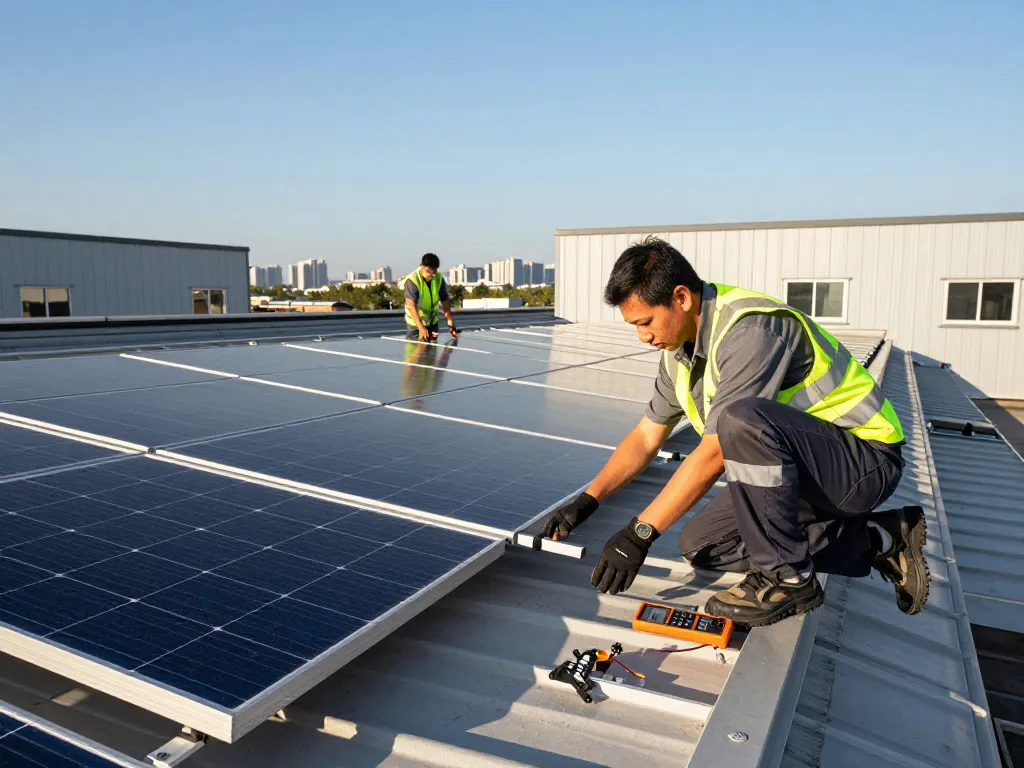
Best Practices for Installing N-Type Photovoltaic Panels
Proper installation is vital to maximizing the benefits of N-Type panels. Here are some best practices:
- Site Assessment: Conduct a thorough assessment of the installation site to determine optimal panel placement and angle for maximum sunlight exposure.
- Qualified Installers: Ensure that panels are installed by certified professionals familiar with N-Type technology to avoid common installation issues.
- Regular Maintenance: Schedule periodic inspections to clean panels and check for any signs of damage, ensuring consistent performance.
Common Challenges in N-Type Panel Installation
While N-Type panels are highly efficient, several installation challenges can arise, such as:
- Weight: N-Type panels may be heavier than traditional panels, requiring more robust mounting systems.
- Temperature Management: As with any solar technology, managing heat is essential for efficiency; installers should ensure adequate ventilation is considered during setup.
Tools and Equipment Needed for N-Type Projects
To facilitate a successful installation, the following tools and equipment are typically required:
- Screwdrivers and wrenches for securing mounting systems
- Voltage testers to ensure electrical safety
- Cleaners for maintaining panel surfaces
Cost Analysis and Return on Investment
Understanding the Costs Involved in N-Type Installations
Investing in N-Type photovoltaic panels may have higher upfront costs due to their advanced technology, but the long-term savings can be significant. Understanding these costs involves evaluating factors such as installation fees, equipment quality, and potential government incentives for solar adoption.
Long-Term Savings with N-Type Photovoltaic Panels
Over their lifespan, N-Type panels can result in substantial savings on electricity bills. Their higher efficiency rates mean less waste and more energy produced per square meter, thereby decreasing overall energy costs for homeowners and businesses alike.
Calculating the Payback Period for N-Type Solar Projects
The payback period for N-Type solar installations varies based on initial investments, energy savings, and local electricity rates. Generally, the payback period can range from 5 to 10 years, making them an attractive option for those looking to switch to renewable energy solutions.
Future Trends and Market Outlook for N-Type Technology
Innovations in N-Type Photovoltaic Technologies for 2026
Looking ahead, innovations in N-Type technology are expected to focus on increasing efficiency further and reducing production costs. Developments in materials science and cell architecture promise to enhance the performance and affordability of N-Type panels, making them even more appealing to consumers.
Market Predictions for N-Type Solar Panels
Analysts predict that the demand for N-Type solar panels will continue to grow, particularly in Europe and North America, as regulations favor cleaner energy sources and consumers become more conscious of their carbon footprints. This trend is likely to spur more manufacturers to invest in N-Type technology.
Embracing Sustainable Practices in Future Energy Solutions
As N-Type technology evolves, sustainability remains a guiding principle for its development. Manufacturers are increasingly focusing on eco-friendly practices, such as reducing emissions during manufacturing and ensuring recyclability at the end of the panels’ lifecycle.
What are the benefits of using N-Type solar panels?
The benefits of N-Type solar panels include higher efficiency, improved temperature tolerance, reduced degradation, and better performance in low-light conditions, making them a superior choice for various applications.
How do N-Type and P-Type solar panels compare?
N-Type panels generally outperform P-Type panels in terms of efficiency, longevity, and resilience against environmental factors, although they may come at a higher initial cost.
What is the lifespan of N-Type photovoltaic panels?
N-Type photovoltaic panels can last over 25 years with proper maintenance and care, ensuring a solid return on investment and sustained energy production.
What are common installation errors for N-Type systems?
Common installation errors for N-Type systems include poor placement leading to shading issues, inadequate mounting systems, and neglecting to account for ventilation in high-temperature areas.
How can I maximize the efficiency of my N-Type solar setup?
Maximizing efficiency involves proper orientation and tilt of the panels, regular cleaning, and using advanced monitoring systems to track performance and identify issues early on.