
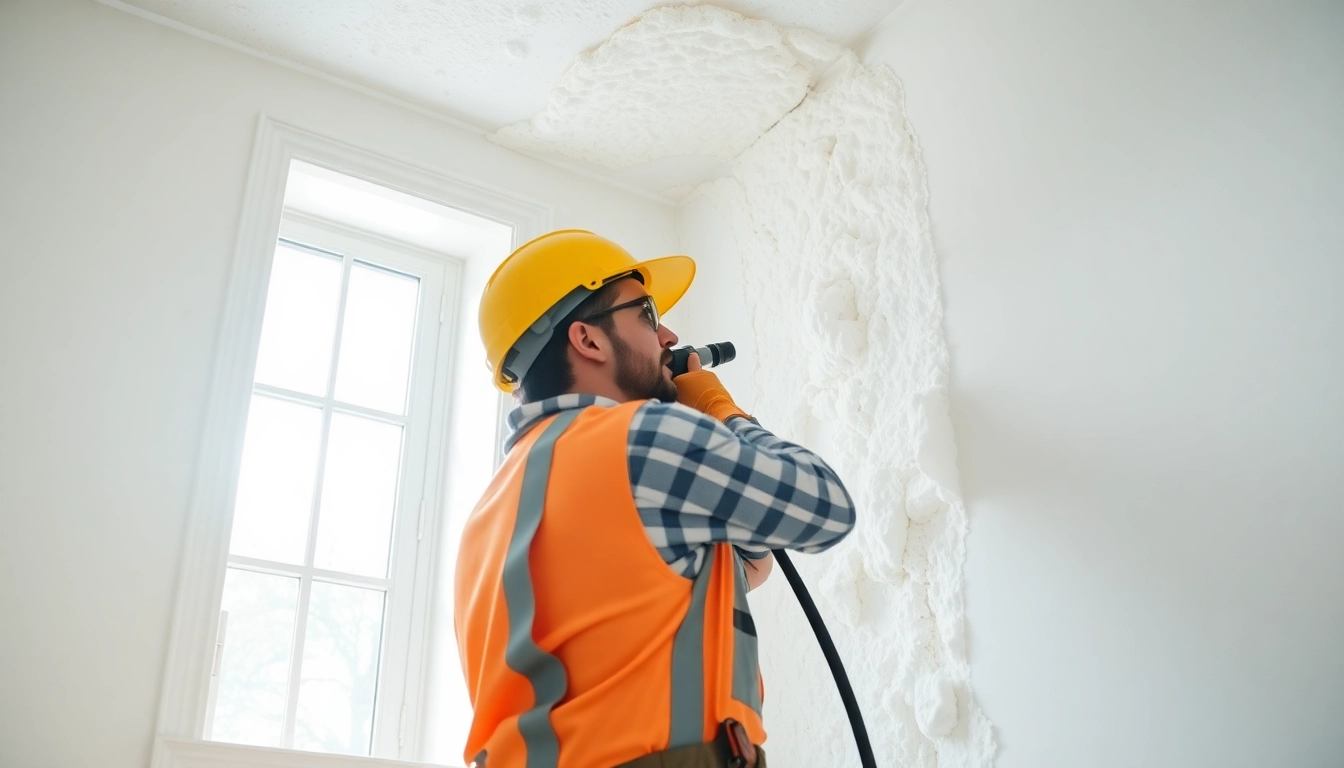
Understanding Spray Foam and Its Implications
What is Spray Foam?
Spray foam is a highly effective insulation material characterized by its dual-component system made from polyurethane. When combined, these components undergo a chemical reaction that allows the foam to expand and cure, forming a solid barrier that can fill gaps, cracks, and cavities. This insulation is typically applied in residential and commercial spaces to improve thermal performance, enhance energy efficiency, and offer moisture control. Spray foam adheres to various surfaces, making it particularly suitable for attics, walls, and roofs.
Benefits of Spray Foam Insulation
The use of spray foam insulation comes with numerous benefits, which include:
- Energy Efficiency: Spray foam insulation can significantly reduce heating and cooling costs by creating an airtight seal.
- Moisture Barrier: It prevents mold and rot by mitigating moisture intrusion, which is crucial in areas prone to high humidity.
- Soundproofing: The density of spray foam helps dampen sound transmission, making interiors quieter.
- Longevity: Spray foam insulation can last for decades without degradation, unlike traditional insulation materials that may settle over time.
Common Issues with Spray Foam
Despite its many advantages, there are common issues associated with spray foam insulation:
- Poor Application: Incorrect installation can lead to gaps and insufficient coverage, negating benefits.
- Off-Gassing: As it cures, spray foam can release volatile organic compounds (VOCs), which may cause health issues for sensitive individuals.
- Difficulty in Removal: Once installed, removing spray foam can be challenging, often requiring professional help.
Indicators You Need Spray Foam Removal
Signs of Deterioration
Several indicators suggest that spray foam insulation may need removal or replacement:
- Visible Damage: Cracking, peeling, or discoloration can indicate that the foam has deteriorated.
- Moisture Problems: Signs of water intrusion or mold growth can compromise the effectiveness of spray foam.
- Unpleasant Odors: Lingering smells can indicate that the foam is breaking down.
Health Concerns Associated with Old Foam
Over time, old spray foam can pose health risks, including:
- Allergic Reactions: Some individuals may develop allergies or sensitivities to chemicals released from degraded foam.
- Respiratory Issues: Prolonged exposure can result in respiratory distress, particularly in sensitive populations.
Cost Considerations for Removal
The cost of removing spray foam can vary widely based on several factors:
- Location and accessibility of the foam installation.
- The complexity of the removal process.
- Potential damage to other materials that may need repair or replacement.
Generally, hiring a professional service for spray foam removal near me can ensure safety and efficiency, albeit at a price that reflects the expertise required.
Choosing a Reliable Service for Spray Foam Removal Near Me
Researching Local Contractors
When looking for a reliable service provider, consider the following steps:
- Read Reviews: Online reviews provide insight into customer satisfaction and the quality of service provided.
- Verify Credentials: Ensure that contractors have appropriate licenses and insurance to operate in your area.
- Seek Referrals: Recommendations from friends or family can lead to trustworthy services.
Questions to Ask Before Hiring
Before making a final decision, ask potential contractors the following:
- What is your experience with spray foam removal?
- Can you provide references from recent jobs?
- What safety protocols do you have in place?
- What is the estimated timeline for the removal process?
Understanding Quotes and Pricing
Understanding the quotes provided by contractors is crucial:
- Breakdown of Costs: A detailed estimate should outline labor, materials, disposal, and potential repairs.
- Comparative Quotes: Obtaining multiple quotes can help you find a balance between quality and affordability.
- Hidden Fees: Ask about any additional costs that may arise during the removal process.
Steps Involved in the Removal Process
Preparation Needed for the Removal
Before the removal begins, proper preparation is essential:
- Clear the Area: Remove furniture and belongings to safeguard them from dust and debris.
- Seal Off Other Areas: To prevent contamination, seal off rooms not involved in the removal.
- Inspect for Additional Damage: Assess the area for any underlying issues, such as mold or structural damage.
The Removal Techniques Employed
Removing spray foam typically involves specific techniques, such as:
- Mechanical Removal: This method uses specialized tools to cut and scrape the foam from surfaces.
- Chemical Removal: Some contractors may use solvents to dissolve the foam for easier removal.
- Disposal: Proper disposal of removed foam is critical to ensure environmental compliance.
Post-Removal Cleanup and Repair
Once the foam is removed, cleanup and repairs need to follow:
- Vacuuming and Dusting: Thoroughly clean the area to remove residual particles.
- Inspect for Damage: Check for any damage exposed during removal that may need repair.
- Consider New Insulation: Evaluate insulation options to ensure optimal energy efficiency moving forward.
Maintaining Your Home After Spray Foam Removal
Insulation Alternatives to Spray Foam
If you’re considering alternatives to spray foam insulation, a few options include:
- Fiberglass Batt Insulation: A cost-effective choice that is easy to install.
- Cellulose Insulation: Made from recycled paper, it’s an eco-friendly option.
- Mineral Wool: Offers excellent fire resistance and soundproofing capabilities.
Preventing Future Insulation Issues
To minimize the risk of insulation problems in the future:
- Regularly inspect your insulation for signs of wear, moisture, and damage.
- Ensure proper ventilation in attics and crawl spaces to avoid moisture accumulation.
- Consider professional inspections for comprehensive maintenance assessments.
FAQs About Spray Foam Removal
1. How long does spray foam removal take?
The duration depends on the area being treated and the complexity of the removal, usually taking one to several days.
2. Is spray foam removal safe?
Yes, when performed by experienced professionals with proper safety gear and techniques in place.
3. Can I do it myself?
DIY removal is not advised due to safety concerns and the potential for damaging underlying structures.
4. What happens to the space after removal?
The space should be cleaned properly; there may be repairs or new insulation needed after removal.
5. How much does spray foam removal cost?
Costs vary greatly depending on location, size, and the removal process; obtaining multiple quotes is advisable.