
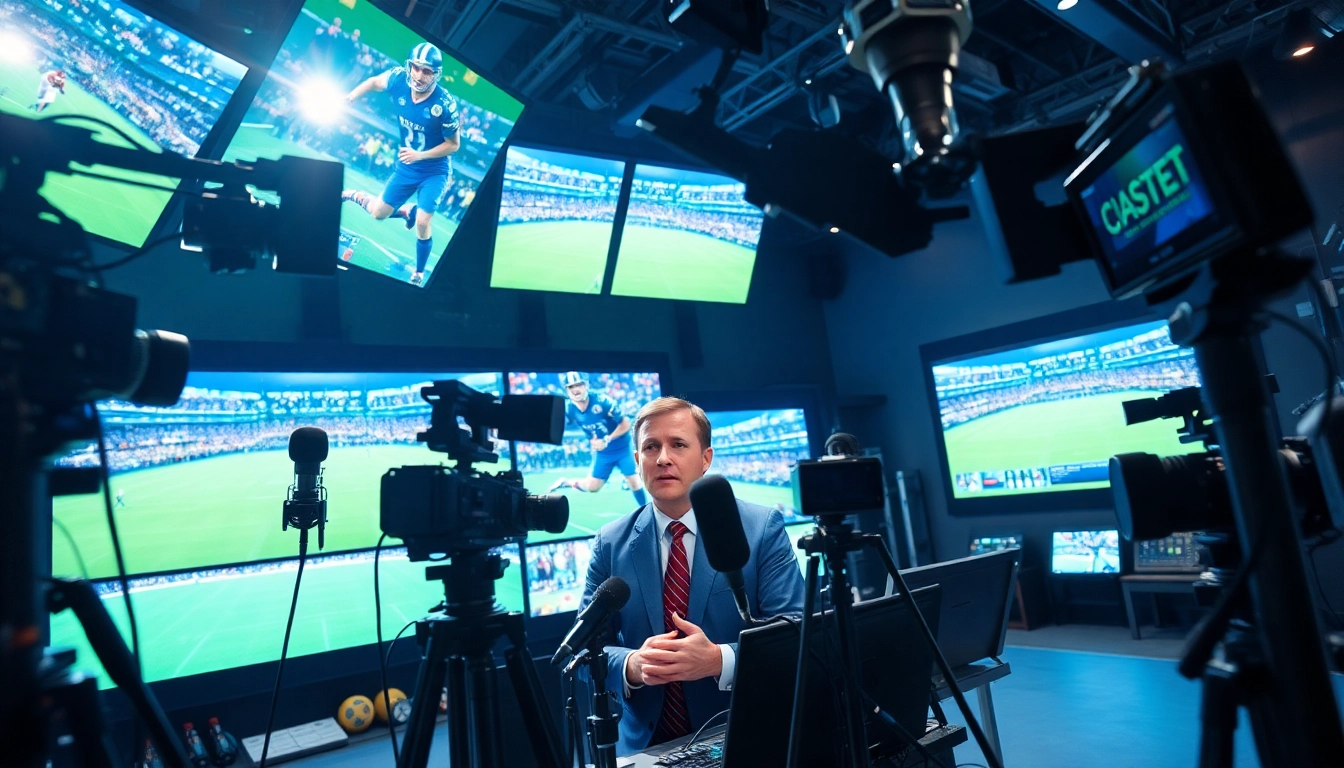
Introduction to Sports Broadcasting
Sports broadcasting has transformed dramatically over the last few decades, evolving into a complex, multifaceted industry that captivates audiences around the globe. In an era where sports and technology intertwine, a robust understanding of Sports Broadcasting is essential for anyone interested in the field, whether they are professionals or aspiring enthusiasts. This article delves into the rich history, key technologies, audience engagement strategies, and emerging trends that define sports broadcasting today.
History and Evolution of Sports Broadcasting
The roots of sports broadcasting can be traced back to the early 20th century when radio became a popular medium. The first-ever sports broadcast took place in 1921, featuring a boxing match between Johnny Dundee and Johnny Ray. This marked the beginning of an era that would see sports transition from the stadiums to living rooms worldwide.
Television soon followed, with significant milestones such as the 1936 Berlin Olympics, which were televised, giving a broader audience access to live sports events. The advent of color TV in the 1960s further revolutionized this field, making sports more vibrant and engaging. With the emergence of cable TV networks in the 1980s and the introduction of 24-hour sports channels like ESPN, sports broadcasting entered a new domain.
Today, the landscape continues to evolve with eye-catching graphics, multiple camera angles, and immersive storytelling. The integration of social media, mobile applications, and streaming services has also dramatically shaped how fans consume sports content, with an emphasis on engagement and interactivity.
Key Technologies Shaping Sports Broadcasting
The technological innovations fueling the sports broadcasting industry are numerous and transformative. High-definition (HD) and ultra-high-definition (UHD) television have significantly enhanced the viewing experience by providing clarity and precision that was previously unimaginable. Additionally, technologies such as augmented reality (AR) and virtual reality (VR) provide immersive experiences that bring fans closer to the action.
Furthermore, cloud computing has revolutionized how broadcasters manage vast amounts of data, allowing for real-time analysis and faster delivery of content. Live broadcasting is now more accessible, with advanced streaming technologies enabling viewers to watch their favorite sports events across multiple devices—be it a smart TV, tablet, or smartphone. The integration of these technologies has opened doors for innovation in advertising, audience interaction, and overall fan engagement.
Understanding Audience Engagement in Sports Broadcasting
To maintain relevance in the fast-paced realm of sports broadcasting, understanding audience engagement is vital. Engaging fans goes beyond mere viewership; it encompasses building a community around sports. Social media platforms, for example, have become essential tools for broadcasters, allowing them to interact directly with fans and receive real-time feedback.
Moreover, broadcasters are now utilizing audience analytics to tailor content specifically to different demographic groups. By leveraging data regarding viewer preferences and habits, sports networks can offer personalized experiences, such as targeted ads and content that resonates with specific segments of the audience. This not only enhances viewer satisfaction but also strengthens brand loyalty and emotional connections between fans and teams.
Types of Sports Broadcasting
Television vs. Digital Broadcasting
Television broadcasting has historically dominated the sports viewership landscape, providing scheduled programming and comprehensive coverage of various events. The allure of live TV, characterized by its immediate nature and high production values, has made it a staple for sports fans.
However, with the rise of digital broadcasting, a noticeable shift is occurring. Streaming services and on-demand platforms like Twitch, YouTube, and various sports apps have emerged, offering viewers unparalleled flexibility. Fans can now consume content when and where they choose, leading to an increase in overall sports viewership. This shift has also encouraged traditional broadcasters to adapt and consider hybrid models that combine TV and digital approaches.
Radio Broadcasting in Sports
Despite the dominance of television and digital platforms, radio broadcasting still holds a unique place in sports broadcasting. The intimacy of radio presents a different kind of engagement, allowing audiences to connect with sports through storytelling. Radio remains particularly valuable during events where visual coverage is limited or unavailable.
Moreover, sports talk radio shows have become increasingly popular, fostering a conversation around sporting events, teams, and athletes. Many fans tune into these programs not just for updates but to engage in discussions about strategies, performances, and the broader cultural implications of sports. This form of broadcasting encourages listener interaction, fostering a community of passionate sports lovers.
Live Streaming in Sports Broadcasting
Live streaming is revolutionizing the sports broadcasting industry, enabling fans to watch events in real-time, transcending geographical barriers. Platforms such as Facebook Live and Twitter Spaces offer broadcasters new ways to connect with fans, providing exclusive coverage and behind-the-scenes content that traditional media might overlook.
Subscription-based streaming services, including dedicated sports networks, have also emerged, offering extensive coverage without the need for cable subscriptions. This shift not only rates favorably for the audience but also presents a lucrative revenue model for sports organizations. The flexibility and immediacy of live streaming play a crucial role in creating a seamless viewer experience, significantly enhancing audience engagement.
Challenges in Sports Broadcasting
Licensing and Rights Issues
Licensing and rights issues pose ongoing challenges in the sports broadcasting sphere. Securing the rights to broadcast specific events can be a complex, costly process, often leading to legal battles between networks and sports organizations. Broadcasters must navigate a landscape that includes territorial restrictions, exclusivity agreements, and evolving broadcasting rights laws.
As digital platforms rise, the traditional broadcasting model faces additional scrutiny. Legal frameworks are struggling to keep pace with the changing dynamics of content delivery, often leading to complications that affect how sports are broadcasted globally. Broadcasters must remain vigilant and adaptive, ensuring compliance while striving to maintain lucrative broadcasting arrangements.
Adapting to Technological Advances
The rapid pace of technological innovation presents both opportunities and challenges in sports broadcasting. As new technologies emerge, broadcasters must continuously adapt to stay relevant. The transition from traditional broadcasting to digital-first strategies requires investment and innovative thinking.
For many organizations, adapting means embracing new skill sets and technologies, which can be daunting but ultimately necessary. Broadcasters must navigate hurdles such as integrating automated journalism tools, adopting mobile solutions, and optimizing their content for various platforms. The goal is to remain conducive to viewer preferences while upholding high production standards.
Maintaining Viewer Engagement
In an era of content saturation, maintaining viewer engagement stands as a significant challenge for sports broadcasters. With countless options available—from video games to social media—broadcasts must compete for the attention of an increasingly discerning audience. To combat this, broadcasters need to offer content that is not only entertaining but also meaningful and informative.
Emphasizing storytelling, utilizing data to enhance viewer experiences, and integrating interactive elements can significantly improve engagement. These strategies not only keep viewers glued to their screens but also build lasting emotional connections with the teams, players, and events that they love.
Best Practices for Sports Broadcasting
Effective Use of Social Media for Fan Engagement
Social media acts as a powerful tool for sports broadcasters to engage fans and provide a platform for real-time interactions. Effective use of platforms such as Twitter, Instagram, and TikTok can amplify reach and create organic buzz around events. Portraying authentic personalities—whether players, commentators, or analysts—creates relatable content that resonates with audiences.
Moreover, utilizing live social media content during game days can enhance the viewing experience. Broadcasters can share quick highlights, player interviews, or insightful commentary before, during, and after games, inviting fans into ongoing conversations surrounding the sport.
Leveraging Data Analytics for Improving Coverage
Data analytics has become invaluable for enhancing sports broadcasting coverage. By analyzing viewer metrics and trends, broadcasters can cater their programming to better align with audience interests. Insights drawn from data analytics inform content creation strategies, allowing broadcasters to deliver more relevant coverage that reduces viewer churn.
Furthermore, real-time analytics during broadcasts provide opportunities for enriched storytelling and analysis. Instant access to player stats, historical data, and predictive analytics contribute to a deeper understanding of the game and bolster the overall viewing experience.
Creating Compelling Sports Content
Content is the lifeblood of sports broadcasting. The key to standing out in a crowded market is developing unique, compelling content that captivates audiences. Broadcasters should invest in not just delivering game coverage but also producing feature stories, behind-the-scenes segments, and player profiles that highlight the human side of sports.
Moreover, creative storytelling techniques—such as using empathy to convey athletes’ journeys or the emotional impact of pivotal moments—can elicit stronger audience connections. Engaging narratives resonate on a deeper level, allowing fans to feel more invested in the sport.
Future of Sports Broadcasting
Predicted Trends in Sports Broadcasting Technologies
The future of sports broadcasting promises to be exciting, with the emergence of advanced technologies like artificial intelligence and machine learning. These innovations can improve real-time analytics, audience targeting, and content customization, allowing broadcasters to tailor the experience uniquely to each viewer.
Additionally, the expansion of 5G technology will further enhance live broadcasting capabilities, paving the way for higher-definition streaming and immersive experiences. The trend is shifting towards more interactive formats as well, where audience participation will play a critical role in shaping broadcasts.
The Role of Virtual Reality in Sports Broadcasting
Virtual reality (VR) offers unparalleled opportunities for enhancing the live sports experience. By immersing viewers in a virtual arena, VR technology can bring fans closer to the action, allowing them to experience events as if they were physically present.
Furthermore, VR can be utilized for training and presentation purposes within broadcasting, giving commentators new angles from which to analyze plays and strategies. The implications of adopting VR in sports broadcasting extend far beyond mere visuals—it can redefine the way fans engage with sports on every level.
Exploring Global Sports Broadcasting Opportunities
The globalization of sports broadcasting presents ample opportunities for reaching diverse audiences worldwide. With growing interest in various international events, broadcasters must seek innovative partnerships and collaborations to extend their reach in emerging markets.
Moreover, understanding cultural nuances and preferences is crucial for successful global engagement. Sports broadcasters who navigate these complexities by providing localized content will foster stronger connections with viewers, enabling lasting brand loyalty and market penetration.
Frequently Asked Questions
What is sports broadcasting?
Sports broadcasting refers to the live transmission of sports events via television, radio, or online platforms. It combines commentary, visuals, and analytics to provide an engaging experience for viewers and fans.
How has technology impacted sports broadcasting?
Technology has transformed sports broadcasting, enabling high-definition coverage, live streaming, real-time analytics, and immersive experiences. Innovations like VR and AR are further enhancing viewer engagement.
What types of platforms are available for sports broadcasting?
Sports broadcasting occurs on various platforms, including traditional television, radio, streaming services, and digital platforms like social media. Each offers unique ways for fans to engage with content.
Why is audience engagement crucial in sports broadcasting?
Audience engagement is vital for retaining viewers, building community, and fostering loyalty. Engaged fans are more likely to connect with the content, leading to higher ratings and revenue opportunities.
What are the future trends in sports broadcasting?
The future of sports broadcasting is likely to see increased adoption of AI, higher-definition streaming, and immersive experiences through VR. Global strategies will also be key for engaging diverse audiences.