
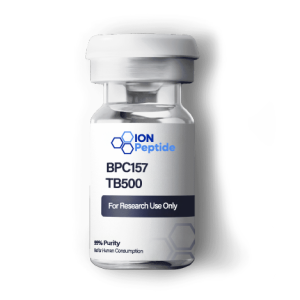
Introduction to Peptide Research Compounds
Peptide research compounds have emerged as a vital area of study in modern science, particularly within the realms of medicine and athletic recovery. As small chains of amino acids, peptides play a crucial role in various biological processes. They have garnered attention for their therapeutic potential, especially in enhancing healing and recovery. Among the multitude of peptide combinations being researched, BPC157+TB500 stands out due to its promising healing properties and muscle recovery capabilities.
What Are Peptides?
Peptides are short sequences of amino acids linked by peptide bonds. These compounds serve as messengers within the body, directing biological functions and facilitating cellular communication. Unlike proteins, which are longer and folded into complex structures, peptides usually contain fewer than 50 amino acids. This brevity allows them to be more easily absorbed and utilized in various physiological processes. Peptides can naturally occur in the body or be synthesized in laboratories for therapeutic use, offering immense potential to treat a range of conditions.
Common Types of Peptides in Research
There are several types of peptides utilized in medical research, with some of the most notable being:
- Hormonal Peptides: Such as insulin, which regulates blood glucose levels.
- Antimicrobial Peptides: These play a crucial role in immune defense against pathogens.
- Neuropeptides: Involved in signaling pathways affecting mood and pain perception.
- Peptide Hormones: Like growth hormone-releasing peptides (GHRPs) used for muscle growth and recovery.
Among these, the exploration of BPC157 and TB500 reveals their unique attributes in promoting healing and recovery.
The Role of Peptides in Health
Peptides are pivotal for maintaining overall health and facilitating recovery from ailments. They influence various biological functions, including hormone regulation, immune response, and metabolic processes. The therapeutic application of peptides has been guiding veterinary and human medicine towards novel approaches in treating injuries, chronic diseases, and even age-related degeneration. Their ability to enhance cellular repair and regeneration highlights their significant utility in medical science.
Mechanisms of Action: BPC157+TB500
Understanding the mechanisms of action for BPC157 and TB500 provides insight into why these peptides are increasingly researched for therapeutic benefits. Both peptides offer unique healing properties, and their combination can ensure a robust recovery process.
The Healing Properties of BPC157
BPC157, derived from a protein in gastric juice, is known for its regenerative abilities. It has been shown to promote healing in various tissues by enhancing angiogenesis—the formation of new blood vessels— and reducing inflammation. This peptide facilitates a faster repair process for muscles, tendons, ligaments, and even nerve tissues. Clinical studies indicate that BPC157 can significantly improve outcomes for injuries and facilitate faster recovery in postoperative settings.
TB500 and Muscle Recovery
TB500, or Thymosin Beta-4, is a peptide that naturally occurs in the body. It plays a key role in the regeneration and repair of muscle tissue. TB500 enhances cell migration, which is essential for healing. By promoting the development of new muscle fibers and speeding up recovery times, TB500 is particularly appealing to athletes and those recovering from injuries. Its ability to manage inflammation and promote the growth of new blood vessels underpins its relevance in muscle rehabilitation.
Synergistic Effects of Combining Both
The combination of BPC157 and TB500 creates a synergistic effect that enhances recovery processes even further. When used together, these peptides promote not only local tissue repair but also systemic healing. Their joint application has been observed to lead to reductions in recovery time, improved functional outcomes, and enhanced muscle performance. This synergy underscores the potential of BPC157+TB500 as a powerful tool in both athletic and clinical settings.
Applications of BPC157+TB500 in Clinical Settings
The clinical applications of BPC157+TB500 span various terrains, from sports medicine to chronic injury management and far beyond.
Use in Sports Medicine
In the realm of sports medicine, BPC157+TB500 has transformed recovery protocols for athletes. Both peptides help reduce inflammation associated with intense training and sports injuries. Athletes experiencing strains, sprains, or muscle tears benefit significantly from BPC157+TB500 as it accelerates healing, allowing them to return to competition sooner. Additionally, these peptides may improve performance indirectly by reducing recovery times and enhancing overall physical capacity.
BPC157+TB500 for Chronic Injuries
Chronic injuries, which often result from repetitive stress or long-term degeneration, can significantly affect an individual’s quality of life. BPC157 and TB500 have shown positive effects in managing conditions such as tendonitis, arthritis, and ligament injuries. Their capability to promote healing at a cellular level means that patients suffering from long-standing issues may find renewed hope in recovery through these peptide treatments. Clinical evaluations continue to support the efficacy of these compounds, signifying a paradigm shift in treating chronic conditions.
Potential in Other Medical Treatments
Beyond sports and chronic injuries, the therapeutic potential of BPC157+TB500 extends into broader medical treatments. Current research is exploring their use in managing conditions like inflammatory bowel disease, neurodegenerative disorders, and even heart disease. With ongoing studies, there’s potential for these peptides to revolutionize treatment protocols across various sectors in healthcare. Their versatile applications highlight a promising avenue towards more effective, less invasive treatment options.
Safety and Dosage Considerations
Ensuring the safe use of BPC157+TB500 requires diligence in understanding dosing and side effects. Both peptides are generally considered safe when used appropriately, but users should be aware of guidelines to maximize benefits while minimizing risks.
Recommended Dosages for BPC157+TB500
Dosage can vary based on individual needs and the specific conditions being treated. Generally, dosages for BPC157 may range from 200 to 500 mcg daily, while TB500 dosages can be in the range of 2-5 mg weekly. Consulting a medical professional before starting any peptide regimen is crucial for establishing a personal treatment plan tailored to individual conditions and health goals.
Possible Side Effects to Be Aware Of
While BPC157 and TB500 are considered safe, users may experience mild side effects, such as slight soreness at injection sites, headaches, or allergic reactions. Most individuals tolerate these peptides well; however, understanding potential adverse effects and monitoring one’s own response is essential. If unusual symptoms arise, seeking medical advice promptly is recommended.
Modulating Factors in Peptide Use
Factors that may influence how individuals respond to peptide treatments include age, health status, and the method of administration. Comorbidities can also significantly impact the effectiveness of BPC157+TB500. It is vital to take these factors into consideration to ensure the safe and effective use of peptides in healing and recovery.
Future of Peptide Therapies
The future of peptide therapies looks promising as research continues to unveil new applications and benefits of compounds like BPC157 and TB500.
Research Trends in Peptide Studies
Ongoing research is focusing on optimizing peptide formulations to enhance their stability, efficacy, and safety profiles. Studies are also investigating the long-term effects of peptides in diverse demographics, aiming to establish standardized treatment protocols. As understanding deepens, the landscape of peptide therapy continues to evolve, shaping how these compounds can be integrated into everyday medical practice.
Expand Applications of BPC157+TB500
As scientists uncover more evidence regarding the efficacy of BPC157 and TB500, the potential applications for these peptides expand beyond current therapeutic uses. Future studies may explore their roles in regenerative medicine, geriatric care, and even as adjuncts to traditional treatments for chronic diseases. This broadening scope holds promise for innovative treatments that can improve patient care and outcomes.
Personalized Approaches to Treatment
One of the most significant shifts in medicine is the move towards personalized medicine. Given that individuals respond differently to peptide treatments, tailoring doses and combinations to specific needs has become an essential focus. With advancements in biotechnology and genomics, customized treatment plans using BPC157+TB500 will likely lead to improved clinical outcomes and higher patient satisfaction.
FAQs
What are the main benefits of BPC157?
BPC157 promotes healing of injuries, reduces inflammation, and enhances tissue repair, making it effective for recovery.
How do TB500 and BPC157 work together?
The combination enhances muscle recovery and boosts regenerative processes, offering greater recovery benefits than either peptide alone.
Are there any side effects of using BPC157+TB500?
While generally safe, potential side effects include mild soreness at injection sites or allergic reactions in some users.
What is the recommended dosage for these peptides?
Typical dosages vary; consult a medical professional for personalized recommendations tailored to your specific condition.
Can these peptides be used in veterinary medicine?
Yes, BPC157 and TB500 are gaining interest in veterinary medicine for their potential to aid in animal recovery and health enhancement.